“The Voice Was on the Streets”
Inside London’s Housing Demonstration
Yesterday, I travelled into London with my wife to take part in a national housing demonstration.
I’ve attended protests before, but this felt different. It was larger, more organised, and brought together a wide range of resident groups — from those facing rent increases and rising service charges to cladding campaigners and tenant unions. What stood out was the unity. Different issues, one message, and we marched together.
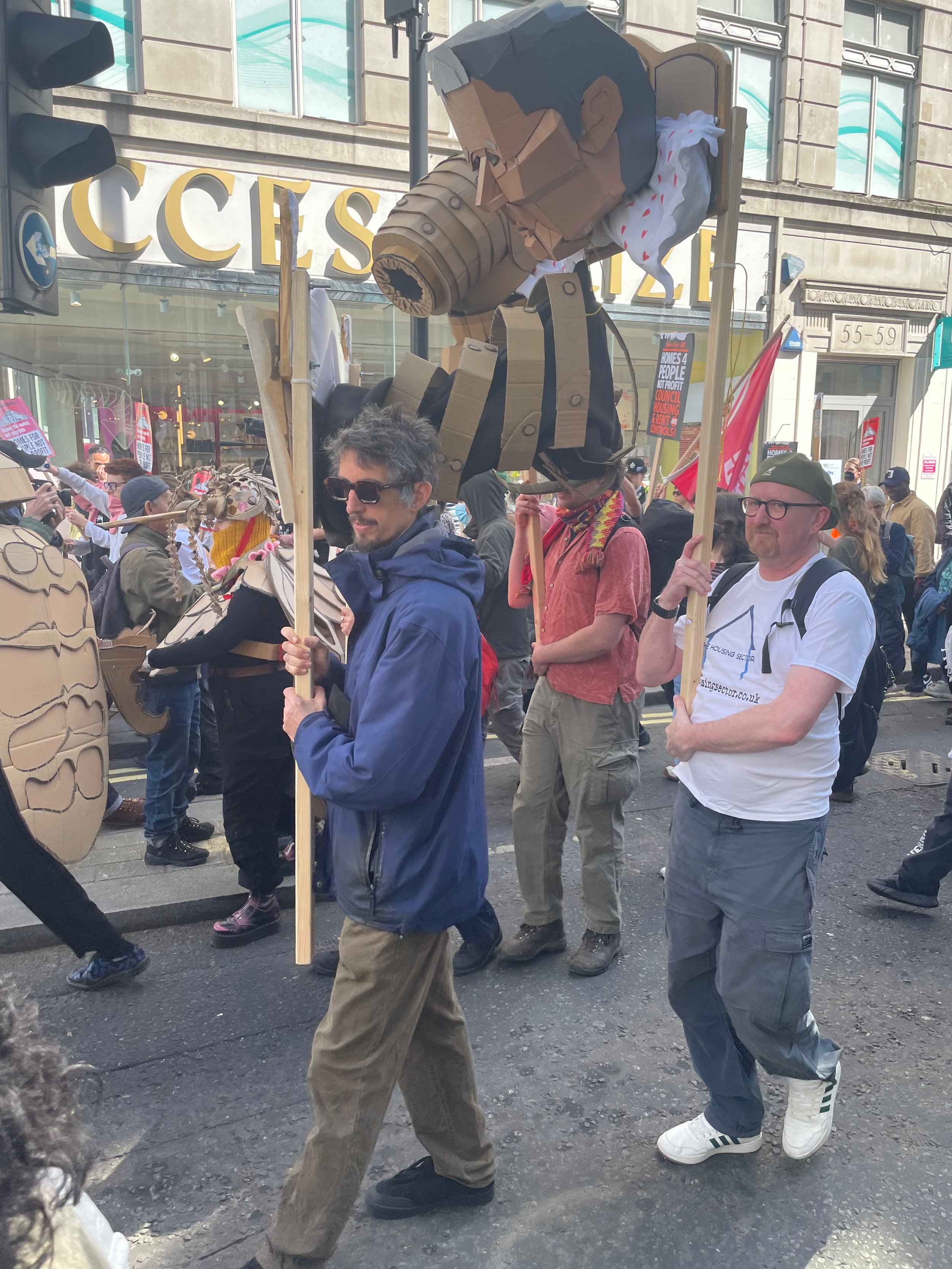
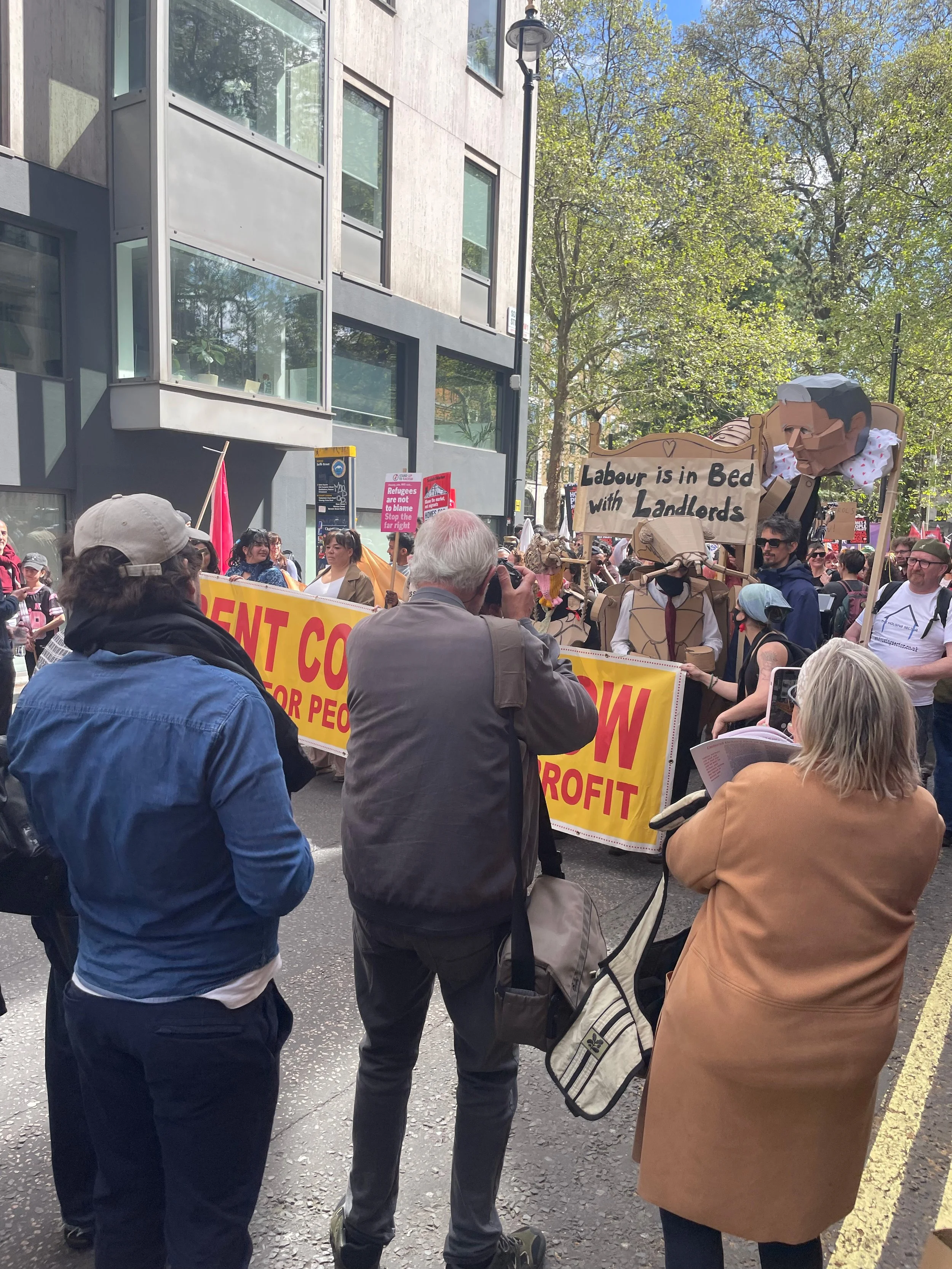
The plan had been simple. Speak to people, gather interviews, and document the day for Housing Sector so those voices could reach beyond the streets. That didn’t quite happen. Instead, I found myself at the front of the march, carrying a large prop — a bed with the message “Labour is in bed with landlords.” The group carrying it needed another pair of hands, so I stepped in. For the next two and a half hours, in the heat, that’s where I stayed, helping lead the procession through central London. Meanwhile, my wife was left to do the job I’d planned, capturing photos and videos, some of which are included here.
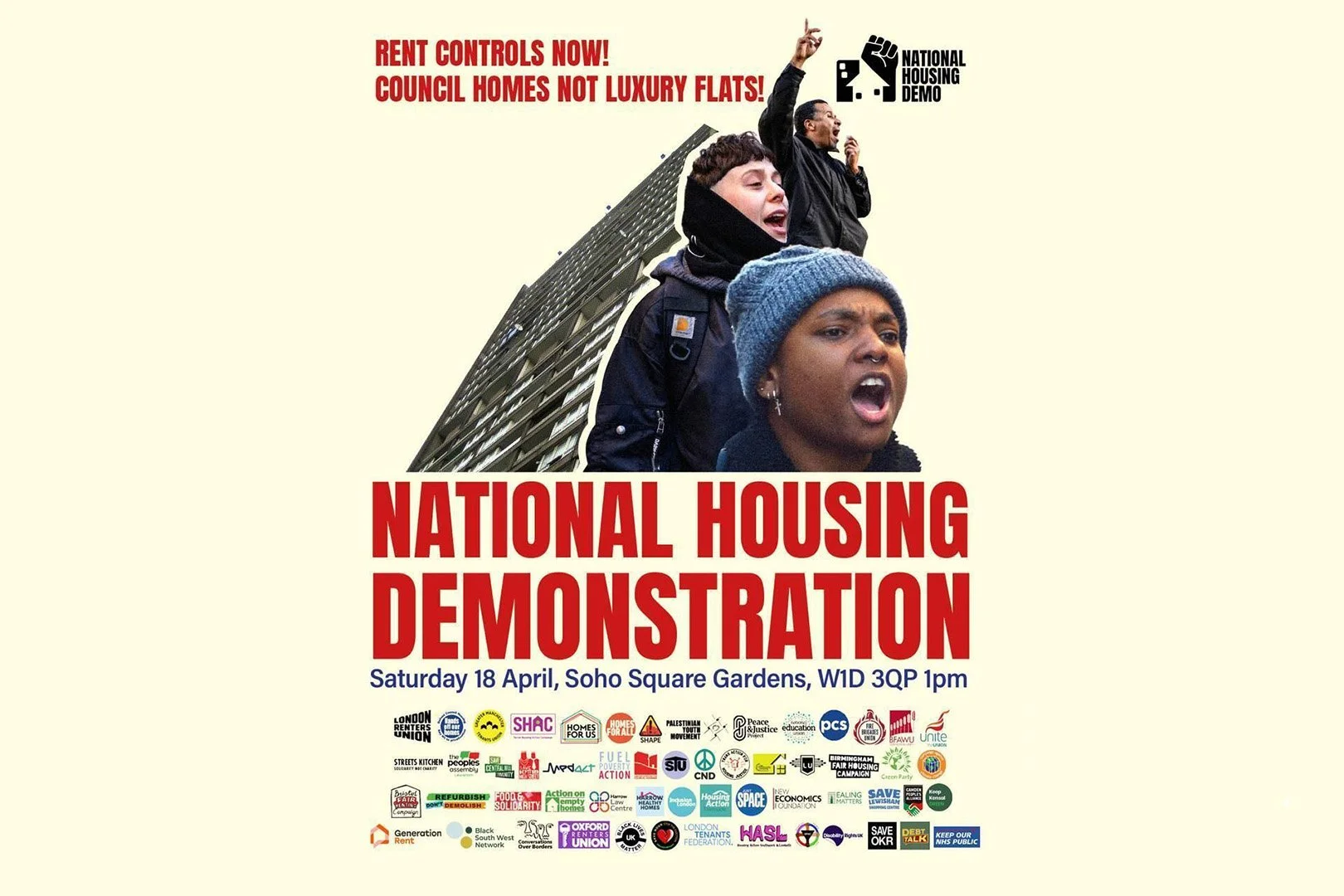
The demonstration itself formed part of a wider, coordinated national action, bringing together dozens of organisations, including tenant unions, housing campaigns, and trade unions.
The demands were clear and consistent. Rent controls, the need for more council housing, and greater accountability for landlords and housing providers. Thousands attended, with people travelling from across the country — a visible sign that housing pressures are no longer isolated issues, but part of a broader national concern.
There’s an uncomfortable contrast here. Across the housing sector, there are constant references and claims about “listening to residents” and “putting the customer at the heart of services”, alongside the promotion of engagement and scrutiny. These ideas are often presented at conferences, open days, and organised sessions, usually controlled environments, often during working hours, and often involving carefully selected participants.
Yesterday, however, the voice of the customer wasn’t filtered, scheduled, or managed. It was on the streets. And notably, there was no visible presence from housing associations or landlord groups engaging with that voice. No one there to listen, respond, or challenge what was being said.
For housing associations, senior leadership teams, and CEOs alike, many will be travelling down to the Chartered Institute of Housing event in Brighton, taking part in programmes designed to help them understand the complaints process and drive positive responses, as well as how to deliver meaningful engagement with customers, as directed by the Housing Ombudsman. All of which will cost us — the residents — money, because these events don’t come cheap.
Yesterday, all they needed to do was turn up, buy a coffee, and listen. All they needed to do was march alongside the campaigners, to hear the rallying cry and hear the voices. All they needed to do was turn up and be present.
This wasn’t just a protest. It was an opportunity, an opportunity for housing providers to hear concerns directly, understand the scale of frustration and, dare I suggest, engage openly with residents outside formal structures.
That opportunity wasn’t taken.
The significance of this demonstration goes beyond a single day. It reflects a shift, from individual complaints to collective action, from formal engagement to public pressure, and from isolated issues to a shared narrative across the country.
For many involved, the message was clear. If the system doesn’t respond through its existing channels, people will find other ways to be heard. Yesterday, that meant taking to the streets.