


When the warnings don't work, what happens next? Using a case involving Platform Housing, Housing Sector examines the impact of persistent antisocial behaviour on residents, the challenges facing housing associations and the difficult question of how far landlords should — and could — go to resolve it.

Regulator says weak governance and financial resilience now put the landlord’s long-term viability and social homes at risk. The organisation says services will continue as normal, while residents and campaigners point to a much longer record of poor service and unanswered concerns.

In January 2026, Clarion Housing investigated complaints from resident Sarah Killick and concluded that it had identified “no service failures.” However, within weeks one of Clarion’s own senior managers had reached a very different conclusion, there had been “several failures.”
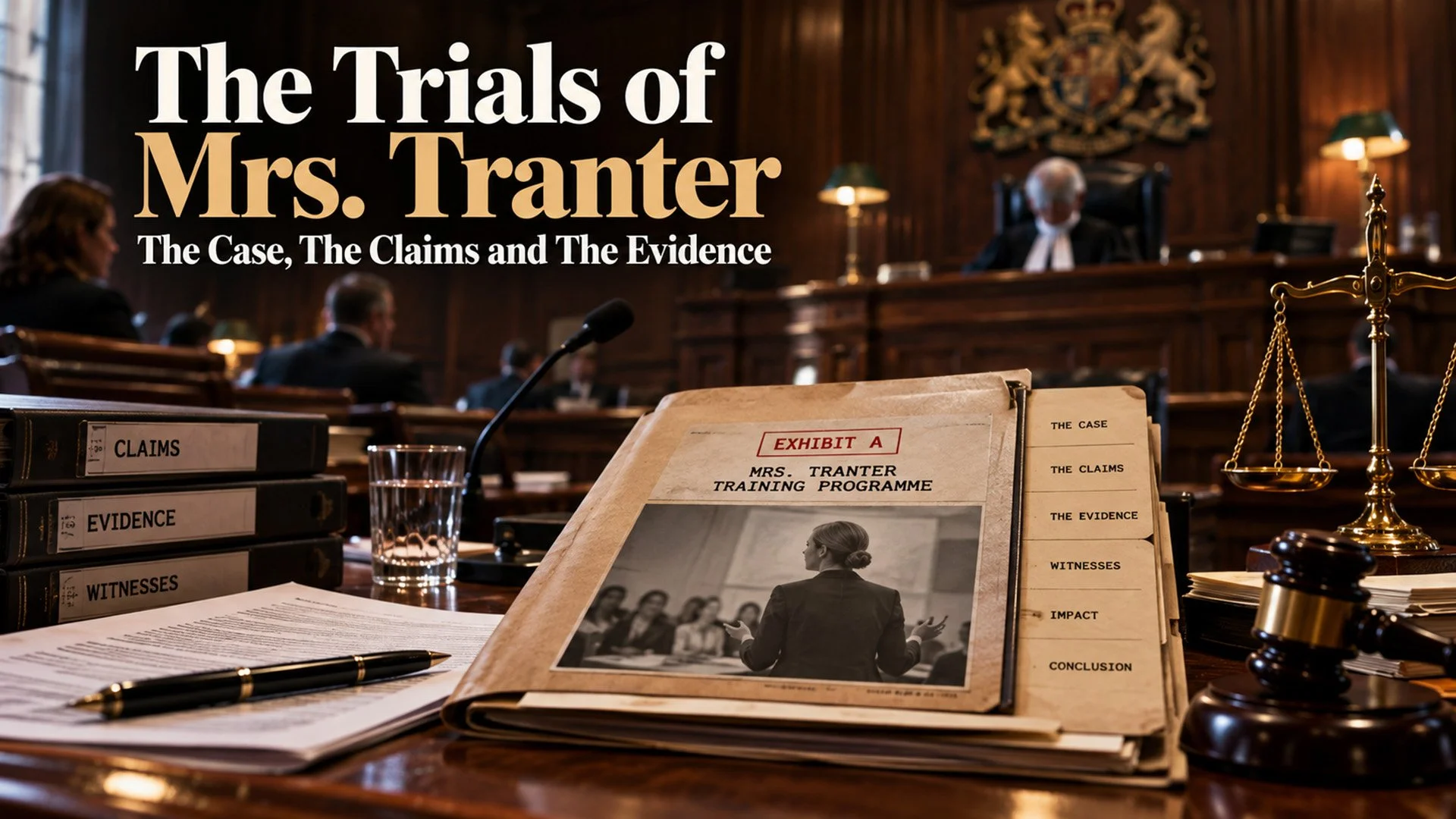
The Trials of Mrs Tranter has won multiple industry awards and been promoted as a major customer-service success. But when the claims, evidence, ownership and commercialisation are examined more closely, the picture becomes far less straightforward.

A simple question about what one housing summit had achieved led to deleted comments, legal threats, police warnings and escalating financial claims. This article examines Regener8’s two summits, David Stevenson’s response to scrutiny and what it reveals about housing’s events culture.
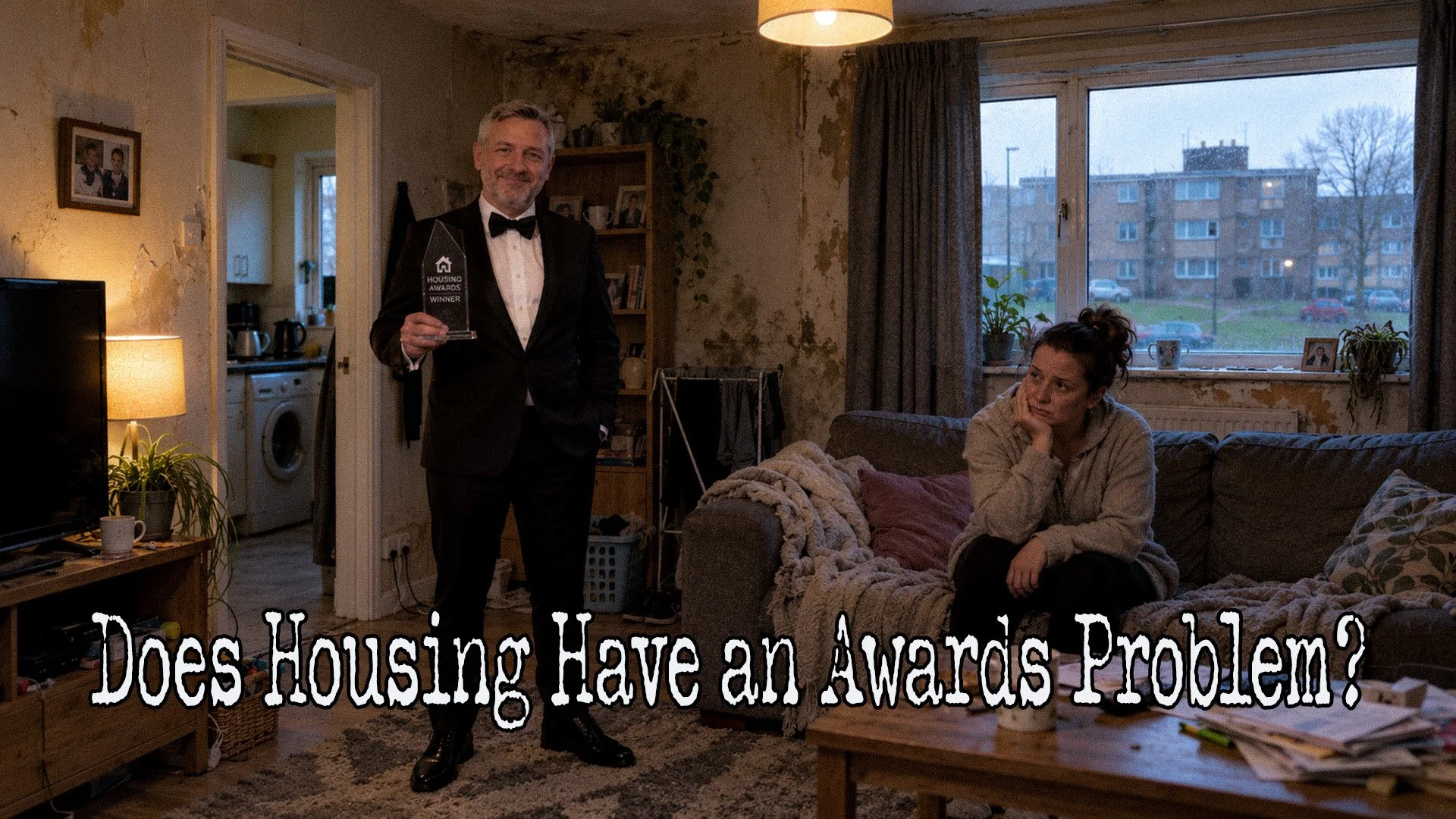
Housing has no shortage of awards, but are they recognising genuine achievement or simply feeding another self-sustaining industry around the sector? In this blog I look at the cost of entering and attending awards, the lack of independent validation behind some winning claims, the risks this creates for procurement, and how questionable awards can undermine the people whose work genuinely deserves recognition.

Does housing have an events problem? With more than 40 housing-related conferences, summits and awards already identified in 2026, I look at the scale, cost and culture surrounding the sector’s events circuit, and ask a simple question: what measurable value are residents actually getting back?

The National Housing Federation has again published its Code of Conduct, setting out the standards of behaviour, culture and accountability it believes should apply across the social housing sector. It is aimed at the people who work for and represent housing associations, including staff, board members and residents involved in their work, and is intended to promote better decision-making, stronger governance, greater accountability and, ultimately, better outcomes for tenants and residents.
It is not legislation, and it is not automatically binding on every housing association; it is a model Code intended to be adopted and adapted. But that does not make its standards meaningless — particularly when the Federation itself presents them as the behaviours people working in and around social housing should aspire to.”
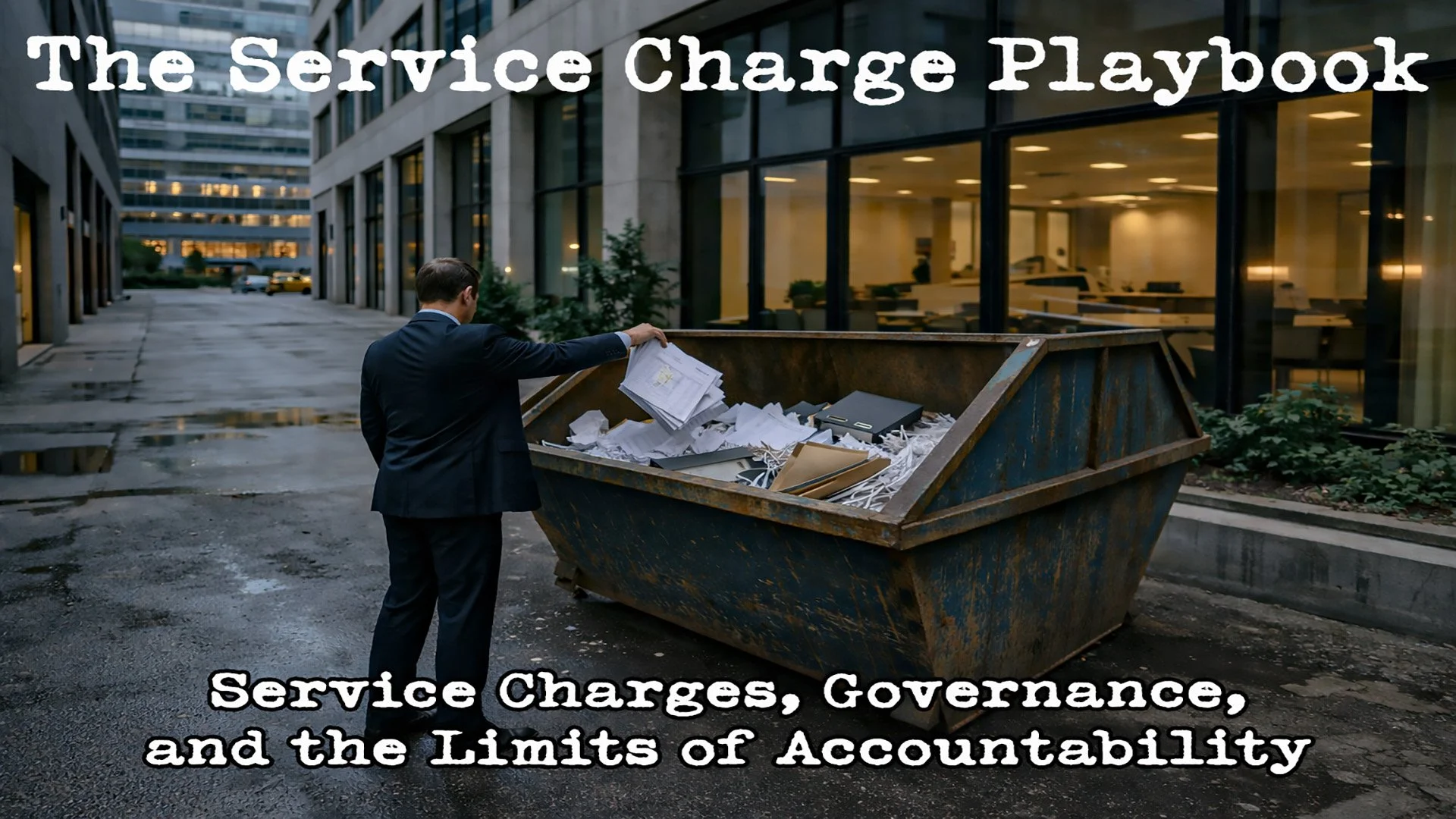
There comes a point where the same issues appearing in different places stop looking like coincidence. When missing invoices, rising service charges, delayed responses, and legal escalation all begin to mirror each other across landlords, the question shifts. This is no longer about individual failures. It is about whether there is a system at work — one that tenants and residents have been calling out for some time, but which the housing establishment refuses to acknowledge.

A housing association whose failures had already been upheld did not respond with reflection or reform. Instead, the response escalated: communication restrictions, legal threats, court action, and ultimately an arrest.
This is not about one resident. It is about what happens when accountability is replaced with control, and when raising legitimate concerns is met not with answers, but with pressure.
SLAPPs are not just a legal issue. In housing, they carry real consequences. When residents are silenced, problems do not disappear. They remain, often hidden, until they become something far more serious.
This is my experience, now raised in Parliament and recognised beyond it. The question is no longer whether this happened. The question is what the sector does about it.
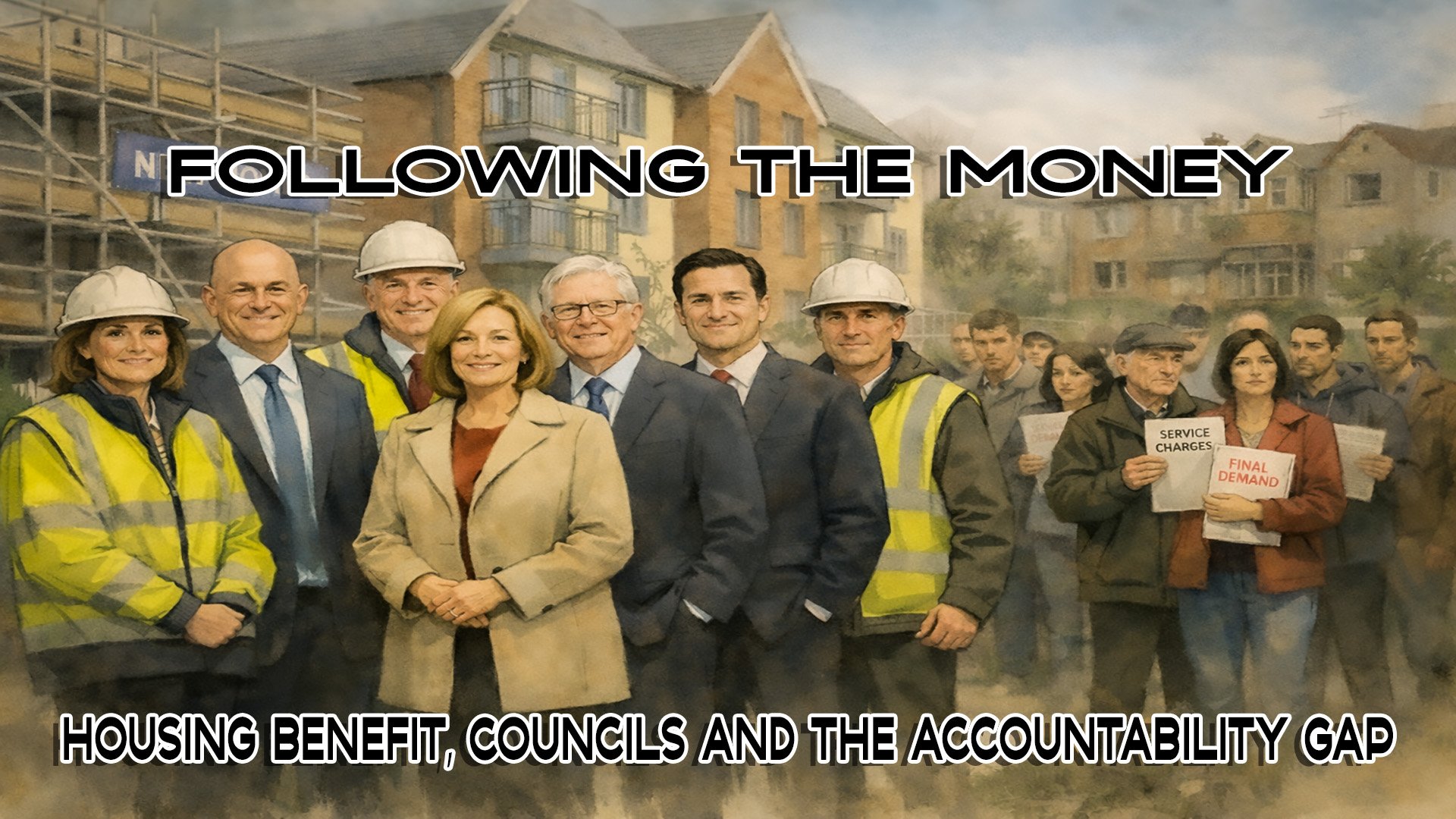
Freedom of Information requests to councils across England are beginning to reveal the scale of Housing Benefit payments flowing into major housing associations. Responses from Birmingham and Walsall alone show more than £60 million linked to one provider over three years, while Wiltshire Council says it cannot retrieve the equivalent figures without exceeding the statutory cost limit. The contrast raises deeper questions about transparency, oversight and how closely the housing sector, local authorities and political networks are intertwined when it comes to the flow of public money.

A governance dispute at the Sir Thomas More Estate in Kensington and Chelsea has raised questions about the independence of residents’ associations during major works. With competing claims over leadership, control of communication channels, and concerns over consultation and safety oversight, the situation highlights a broader issue facing housing estates across the country: who ultimately decides who speaks for residents?

When does a complaint become “vexatious” — and who decides?
In this long-form investigation, I examine how the term is increasingly used across the housing sector, how it shifts attention away from unresolved failures, and how behaviours consistent with DARVO — Deny, Attack, Reverse Victim and Offender — are reshaping the relationship between residents and landlords.

Millions of pounds in Housing Benefit are being paid to housing associations each year, yet Freedom of Information responses reveal little evidence that councils are checking or challenging the service charges behind those payments. This investigation examines how public money leaves the public purse, what oversight is meant to exist, and what happens when it doesn’t.
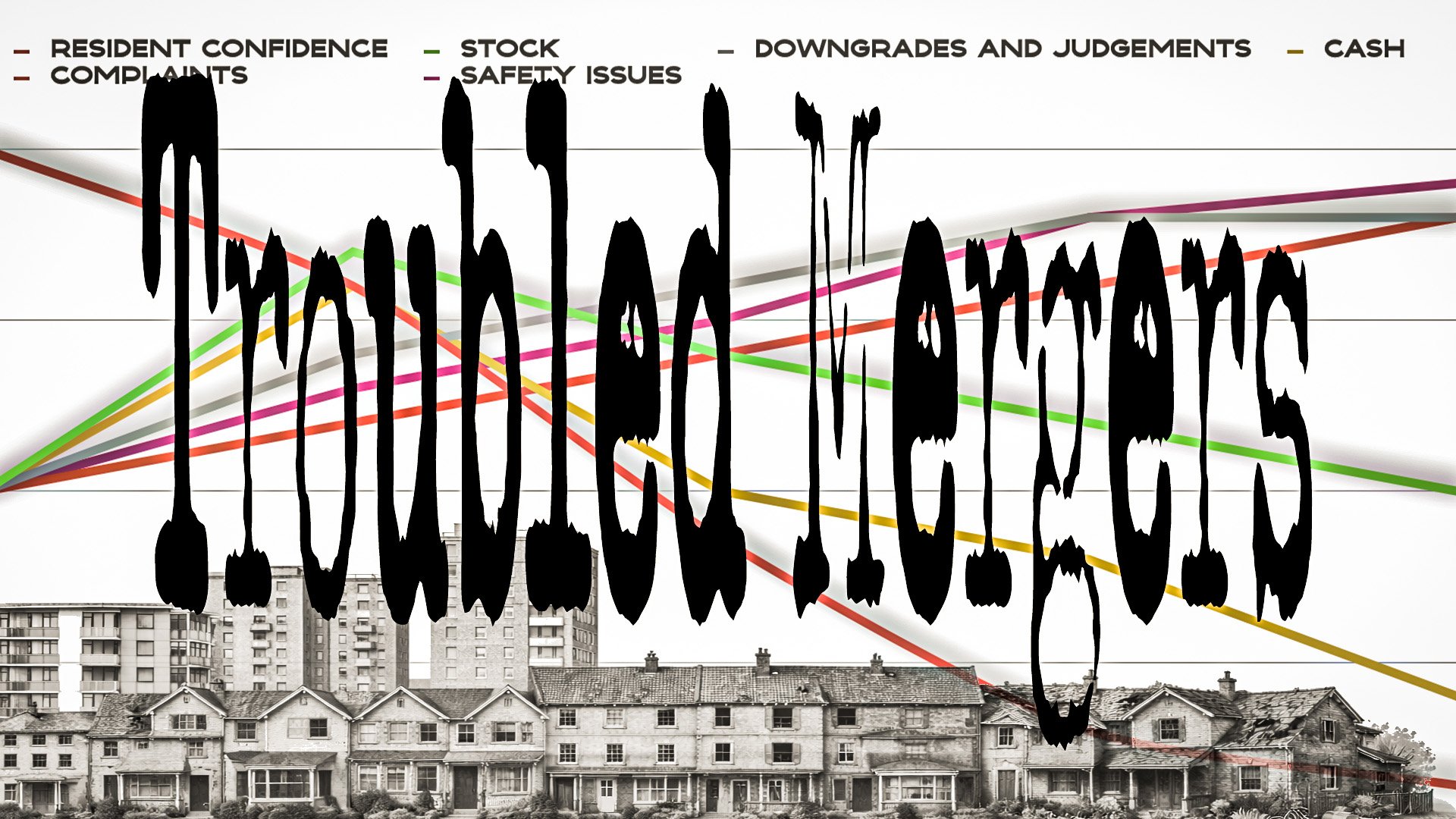
An evidence-led account of how repeated regulatory failures, severe maladministration findings, and financial retrenchment followed the GreenSquare–Accord merger — and why accountability at the top has never materialised.

This article examines what happens when Tenant Satisfaction Measures, Housing Ombudsman findings, and regulatory governance grades are placed side by side. Drawing on housing sector data discussed on the Housing Sector Podcast, it exposes the growing gap between how housing providers are assessed and how residents experience services in practice, particularly around complaint handling, accountability, and trust.

An 83-year-old blind tenant, supported by his neighbour and carer, found himself navigating a First-tier Tribunal and a County Court claim at the same time — all over service charges he struggled to access and understand. This blog sets out the human impact of procedural delay, missed deadlines, and power imbalance, alongside the landlord’s formal response. It raises wider questions about transparency, accessibility, and how housing providers respond when residents persist in raising concerns.

A sector that claims to listen is now struggling to hide the truth. Tenant satisfaction scores, glossy engagement panels and endless surveys no longer match the lived reality: unsafe homes, rising charges, unresolved complaints, and residents who have stopped believing the process works. From Southern Housing’s public mockery to a regulator accused of paper-shuffling, the gap between narrative and experience has never been wider.

When housing CEOs fail, they rarely fall — they just change chairs. From GreenSquareAccord to Notting Hill Genesis, this piece examines the leadership loop at the top of social housing, where accountability fades, mergers fail, and residents pay the price.

Eight years after Grenfell, the list of unsafe buildings keeps growing. Thousands have already been evacuated — but how many more remain unsafe, unacknowledged, and unaddressed? In this week’s Housing Sector blog, I speak with Matt Hodges-Long of the Building Safety Register about the rising number of homes being declared uninhabitable, the residents left in limbo, and a government still downplaying the scale of the crisis.

Stop Social Housing Stigma presents itself as a tenant-led movement, but its funding and partnerships tell another story. Supported by housing associations and sector bodies, it has become part of the very system it claims to challenge — a comfortable echo chamber where executives applaud their own progress while tenants remain unheard.

On Saturday 11th October, SHAC will host a national conversation about forming a Tenants and Residents Union — a movement that could shift the balance of power in UK housing. This blog explores that question head-on: from broken complaint systems and regulatory dead-ends, to the power of coming together, sharing knowledge, and fighting for fairer, safer homes. Whether you’re ready, unsure, or still finding your voice — this is the start of something bigger.
Accent Housing recently shared three stories that show a different side of the sector: leadership grounded in compassion, investment in rural communities, and a commitment to sustainability. From safeguarding and rural exception sites to future-ready housing, these examples highlight what’s possible when housing is done differently.

Birmingham City Council is bankrupt — but what does that mean for residents living in unsafe homes? From broken fire doors to questions over missing housing funds, the Council enforces standards on private landlords while failing its own tenants. If Birmingham can’t lead by example, who can?

High-rise safety can look reassuring on paper, with inspections, scores, and compliance reports. But as Birmingham resident and health & safety professional Mel Little explains, too often it’s compliance theatre — safety measures that tick boxes but fail in practice. From faulty fire doors to missing safety documents, Mel highlights what residents should look out for, their rights under the Building Safety Act, and why real safety must go beyond paperwork.

When I was first slapped with a so-called contact management plan—what it really was, was a communication ban—I was shocked. GreenSquareAccord stopped me from emailing staff, blocked me from sharing updates with leadership, and told me that copying in multiple people “muddied the waters.” It was the beginning of an institutional gag order.

I didn’t coin the phrase echo chamber — but the moment I heard it, something clicked. It put words to something I’ve been feeling for years in the housing sector. It’s not just that residents are being ignored; it’s that a closed loop of professionals are talking to each other, validating each other, and shaping public narratives without ever meaningfully engaging with the people actually living through the housing crisis.

Eight years on from Grenfell, the banners go up again. Green hearts. Thoughtful quotes. Hashtags of remembrance. The sector remembers — but only once a year, and only on its own terms.
Let’s be clear — if remembrance meant anything, accountability would have come by now.

Five people. Five stories. One broken sector.
I’ve said it many times, I never set out to be involved in housing. I certainly didn’t imagine I’d be making podcasts, building websites, or writing about legal cases and service charge scandals.

Single Mum Faces Losing Home After Tenancy Transfer Refused by MHS Homes
A single mother with two children is facing the prospect of homelessness after MHS Homes refused to transfer the tenancy of her home into her name.
The woman has been living in the property with her children but is not the named tenant. Following a change in circumstances, she requested that the tenancy be transferred so she could remain in the home with her family.
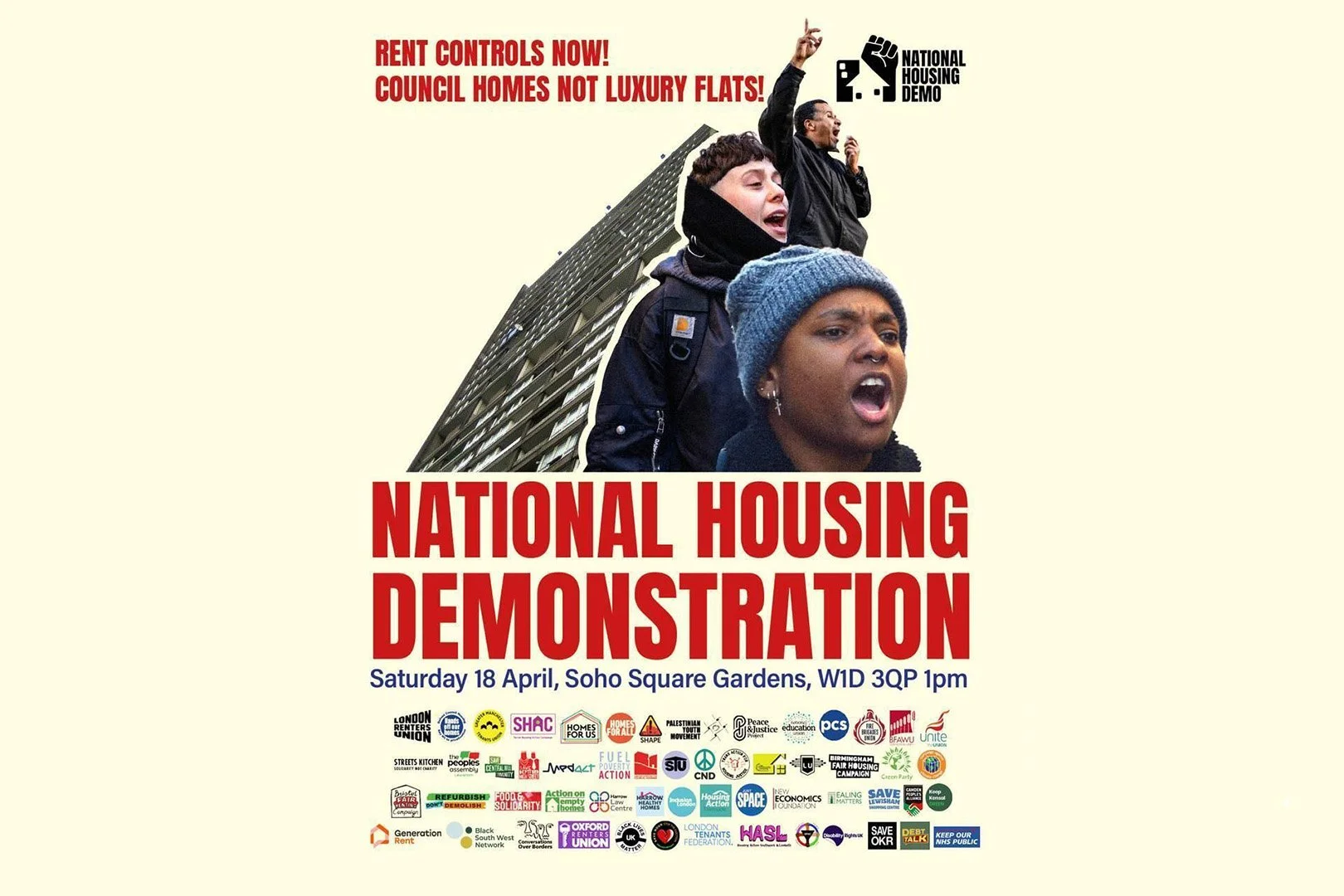
The Voice Was on the Streets Inside London’s Housing Demonstration
Thousands marched in London as part of a national housing demonstration, bringing together residents from across the country. The message was clear, if the system won’t listen, people will take to the streets.

SNG Appoints Three Board Members
Experience on Paper, Questions on Influence
Sovereign Network Group has appointed Eddie Hughes, Yvonne Arrowsmith, and Marcelle Moncrieffe-Newman to its board, combining governance, operational, and political experience. But with SNG under pressure over service delivery and resident outcomes, the appointments raise a bigger question — is this real change, or more of the same at the top of the housing sector?
Southern Housing issued warnings to a resident without adequately investigating allegations against him or following safeguards in its own policies, the Housing Ombudsman has found. The landlord also failed to demonstrate that it had properly investigated his complaints about staff conduct.
The decision concerns Lee, a Southern Housing resident, who says he has been subjected to a wide